 BetaBeta
Using advanced AI, Nixo Pulse tracks employee productivity in real-time, offering insights into work activities and performance.
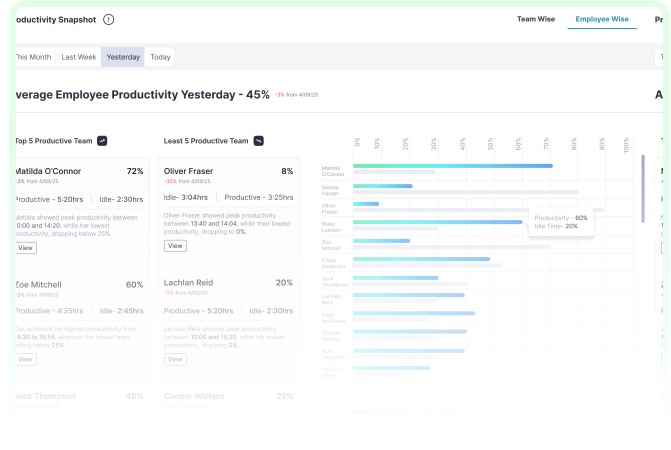
Track and assess application use and web usage to determine patterns of productivity or possible diversions, consequently supporting more efficient team management.
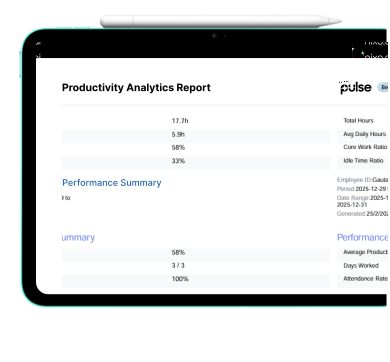
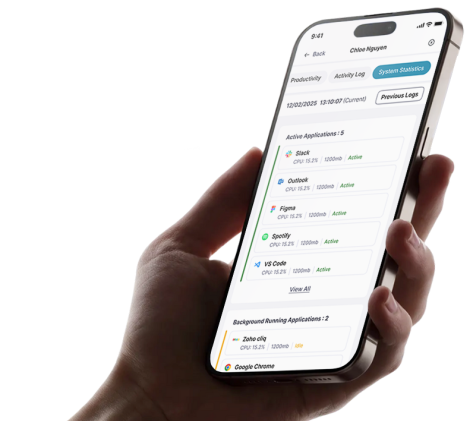
Pulse provides real-time insights into employee activities so that managers can view the estimated performance of their teams.
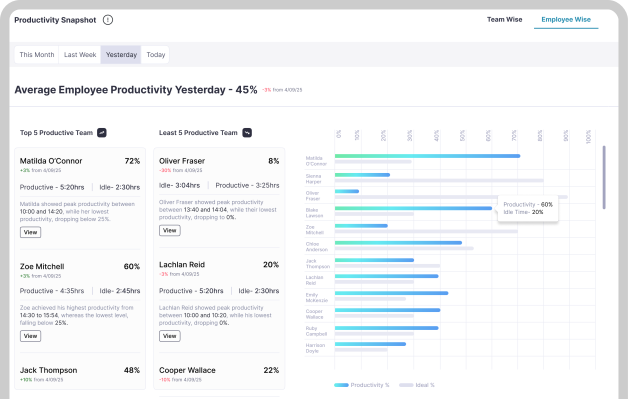
AI engine analyses employee activity to recommend systems to increase personal productivity and overall team output.
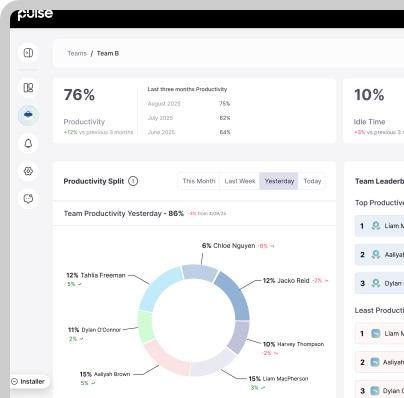
Work behaviour analytics assist in identifying patterns of how employees work, making it possible for companies to optimise flows and sustain focus.
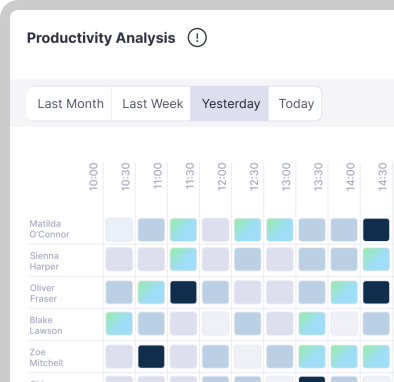
Alerts in real time inform actionable insights to improve team performance by eliminating workflow bottlenecks, low engagement, and resource imbalances.

AI-Assisted Identification of High Performers:
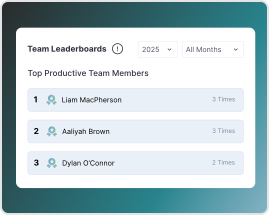
Using data-backed AI ratings to identify high performers and reward them on the basis of fair performance indicators.
Utilize Performance Data:
Use AI information to create a culture of recognition and optimise team dynamics.
Remove Bottlenecks:
Pulse identifies the inefficient processes and recommends changes in these processes or in workload assignment for making the work more productive.
Break Scheduling Optimization:
The software suggests the ideal timings for the breaks and intervals between tasks so that fatigue may be avoided, and thus efficiency can be maximised.
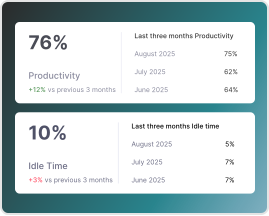


By offering comprehensive insights into areas of concern, AI-powered productivity calculation helps companies proactively solve shared workplace productivity concerns.

Pulse points out times of low activity and offers suggestions for raising staff engagement and attention by changing tasks or procedure.

Pulse uses application usage and activity changes to identify when team members are multitasking ineffectively and suggests corrective steps to refocus.

AI-driven burnout detection suggests preventative steps like breaks and workload redistribution by flagging unusual work habits and overextended productivity levels.